ABOUT SOFT POWER SKILLS
Our Story
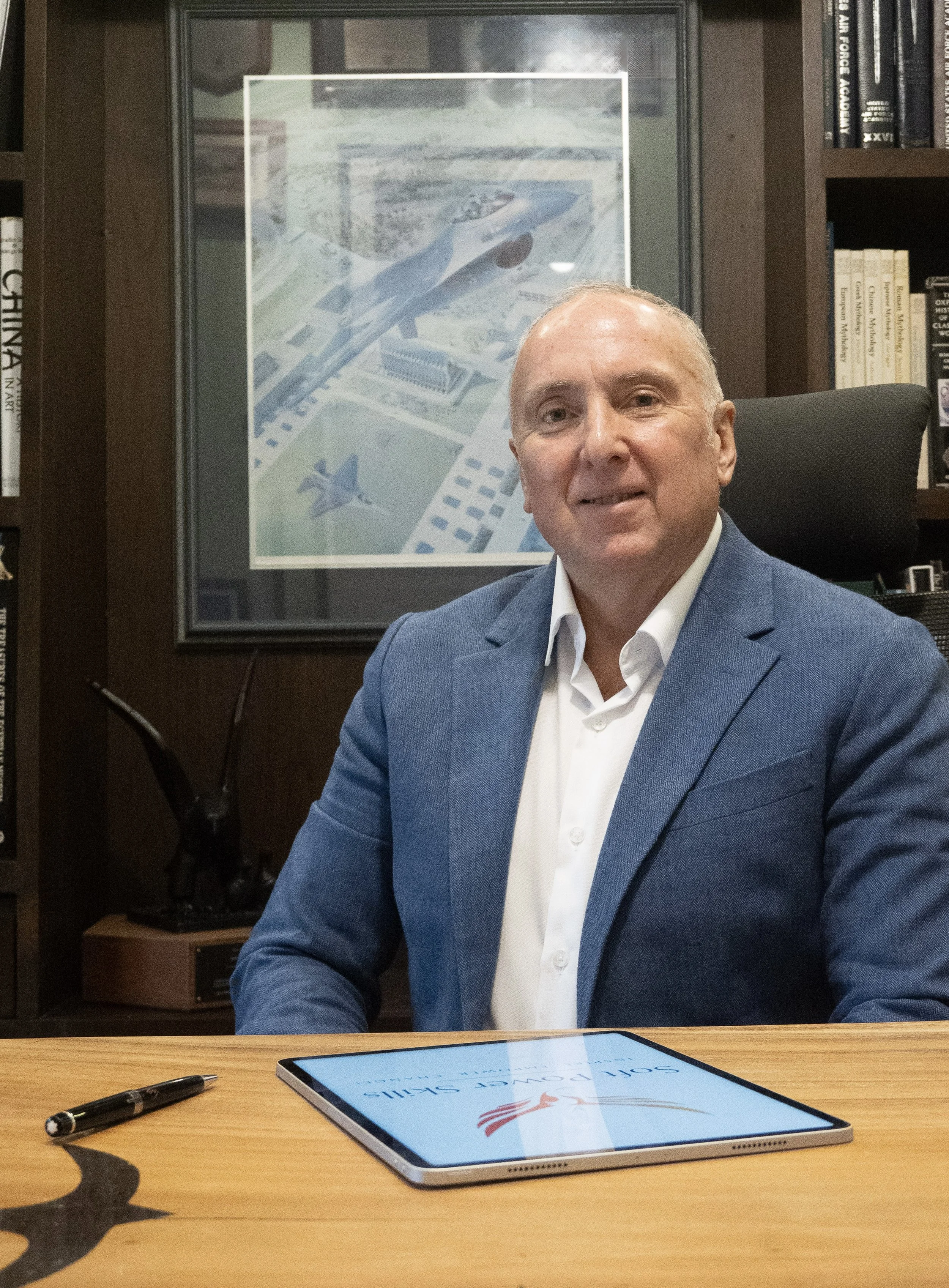
Robert L. Cummings Jr., PhD
Founder, Soft Power Skills
Soft Power Skills grew from a lifelong interest in a practical question:
How do we continue developing our potential—
and turn that growth into something meaningful?
The Pursuit of Potential
Dreaming big, pursuing potential, and making education relevant have long been interacting streams in my life. My mother, an award-winning teacher who had a knack for making learning fun, inspired and taught me well. I am grateful to have achieved many of those dreams. I can also look back and recognize mistakes and bungled opportunities. Both have been important parts of my development.
In pursuing my own potential, and through roles as varied as youth-group volunteer leader, instructor pilot, college professor, and human-performance coach, I've come to see growth as a continuing process of learning: setting demanding goals, recognizing where we fall short, reflecting honestly, making adjustments, practicing new ways of thinking and acting, and trying again.
Eventually, that interest expanded beyond simply developing skills and capabilities. An equally important question emerged: What do we do with them? How do we ensure that our growth is directed toward making a meaningful, positive difference—for ourselves, for the people we influence, and for the communities and societies of which we are a part?
A Culture of Learning and Performance
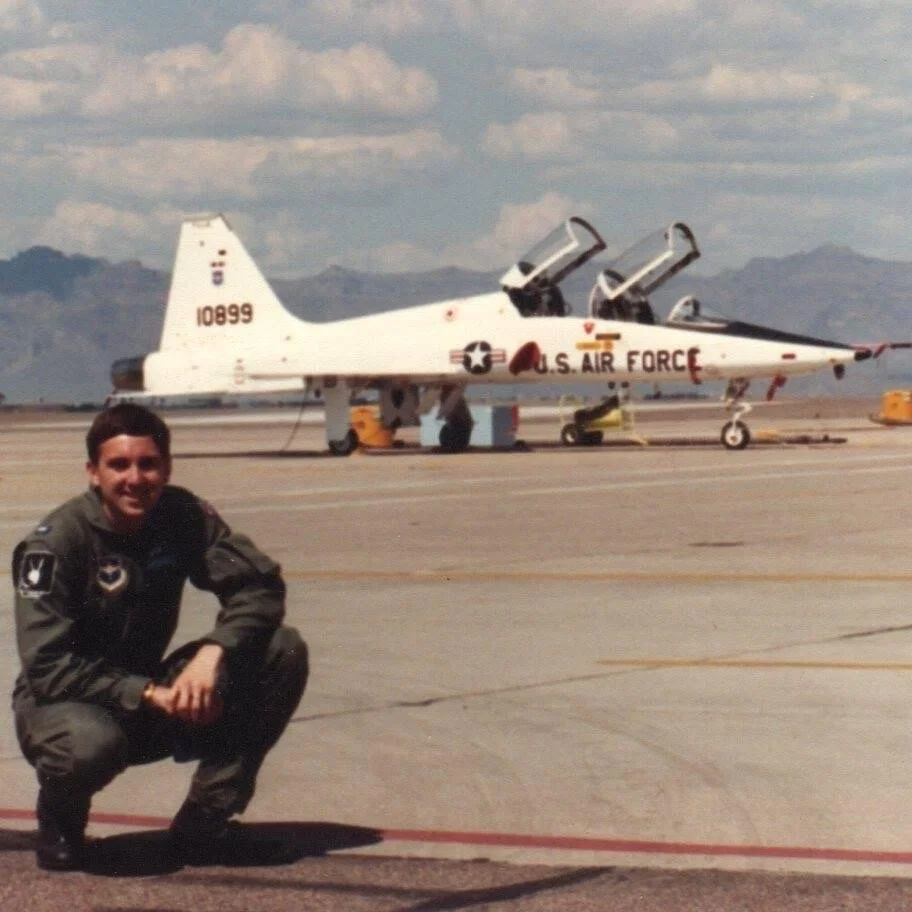
The demands of being an aviator embedded powerful lessons about human performance. Flying as part of an aircrew requires a culture of preparation, discipline, communication, teamwork, judgment, and precision. Working effectively with others was not simply desirable; sometimes it could be a matter of life and death.
From Performing to Developing Others
Teaching at the Air Force Academy, several of those streams flowed together. I found ways to make history relevant and interesting for cadets. As Director of Instruction, I worked with fellow instructors to help us become more effective educators. And instructing cadets in introductory flight training challenged me to guide aspiring pilots from zero experience to flying solo.
Broadening Perspective
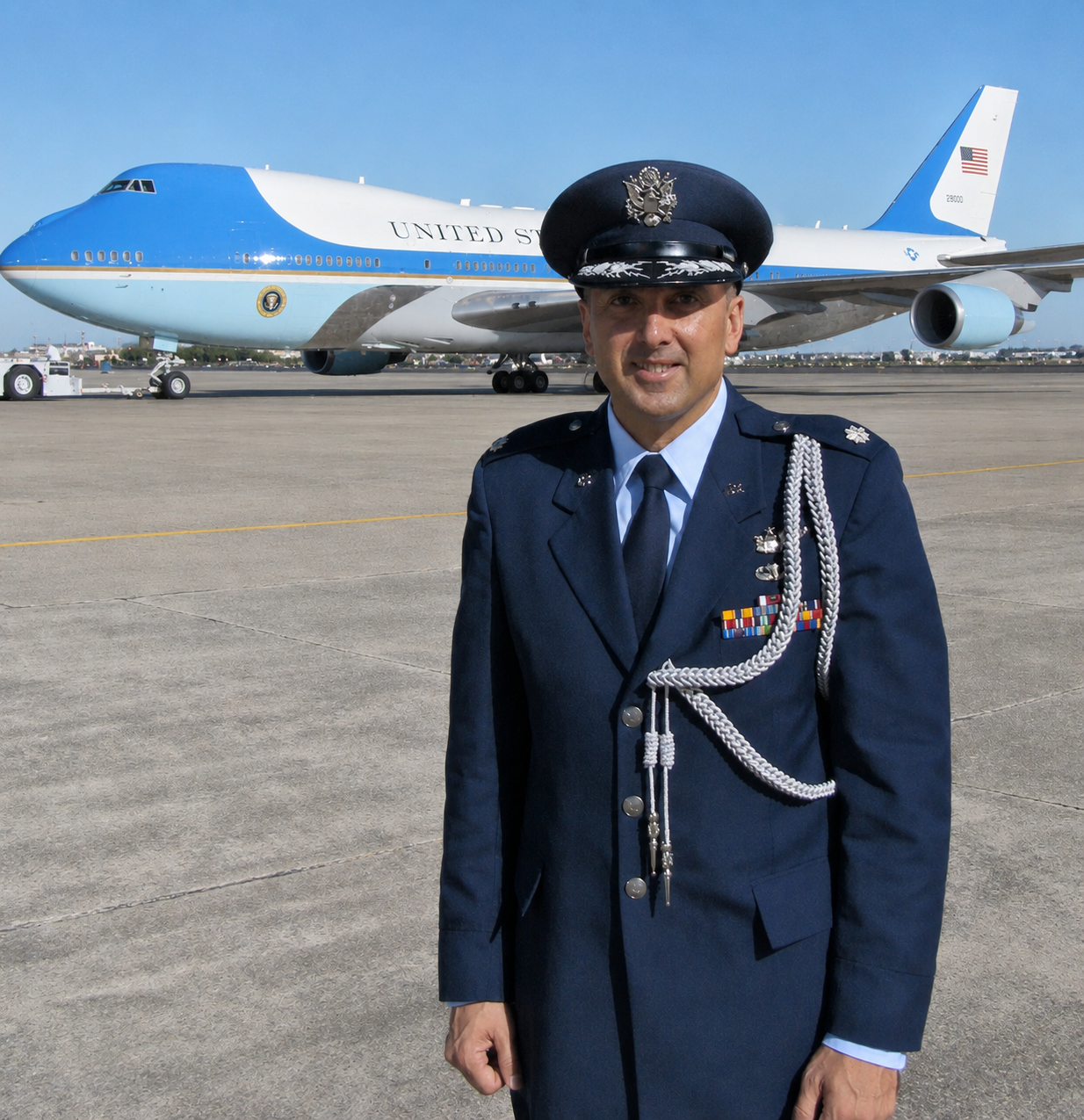
My roles as a senior Air Force officer broadened my responsibilities and perspectives. Thinking and acting had to become more strategic, while leadership, judgment, and the ability to build effective relationships took on ever more importance.
Serving as Assistant Air Attaché at the U.S. Embassy in Bangkok, and later completing my PhD on Thai-Chinese cultural identity, particularly broadened my understanding of culture. I experienced how culture shapes communication, relationships, expectations, and the ways people interpret one another. Learning languages reinforced that communicating across cultures is not simply a matter of translating words. It requires curiosity, adaptability, careful observation, and a willingness to understand another person's perspective.
Meeting People Where They Are
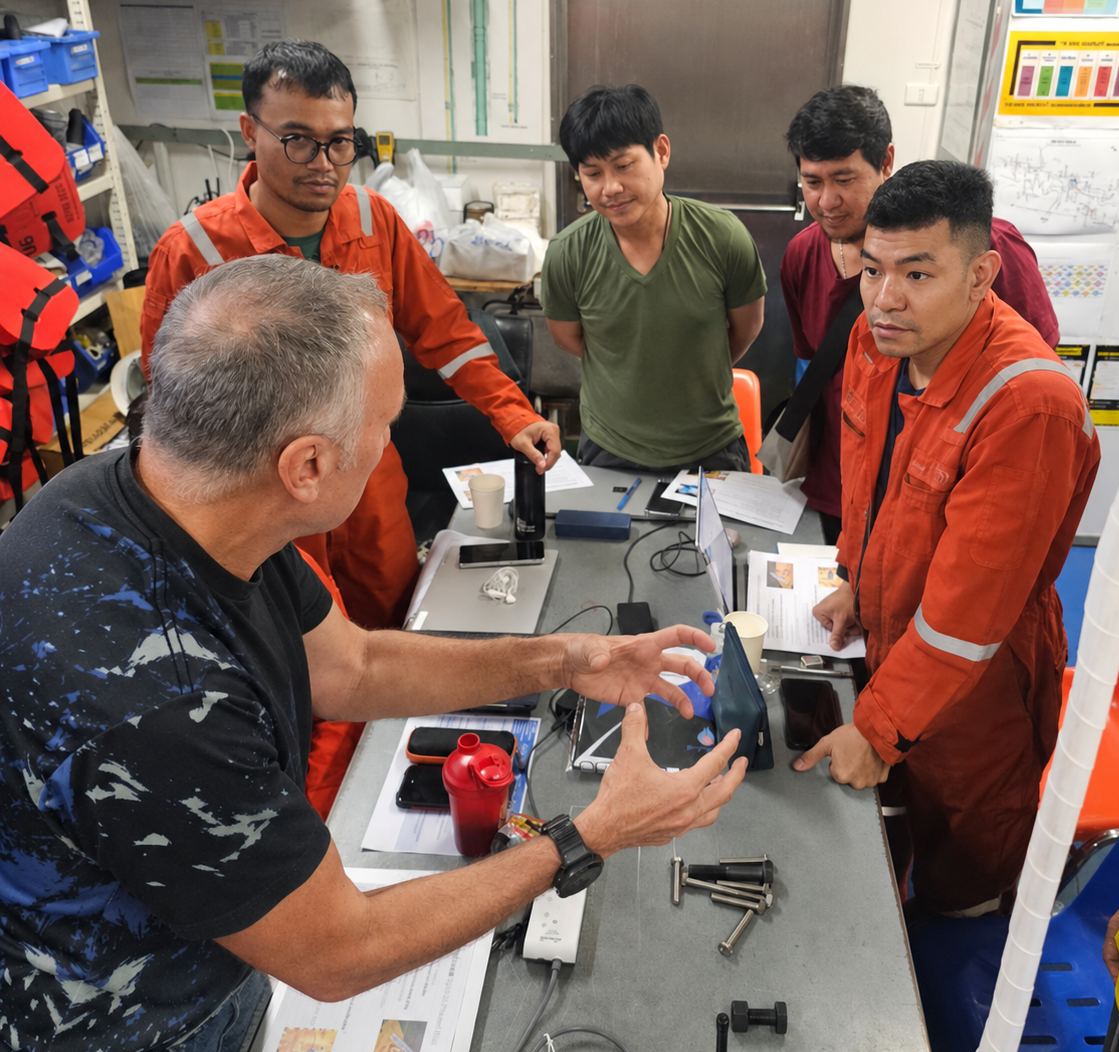
International human-performance coaching presented a different challenge. Offshore crews came from diverse countries, cultures, languages, educational backgrounds, and levels of experience. People also brought very different levels of confidence, motivation, and openness to new ways of thinking and working.
I could no longer assume that an explanation that worked for one person—or one group—would work for another. I had to adapt: simplifying language without simplifying the idea, demonstrating rather than only explaining, using stories and relevant examples to stimulate curiosity, and creating interactive exercises that allowed people to experience an idea before we gave it a name.
From Potential to Positive Impact
Over time, I began to see how these experiences connected with my own sense of purpose and the principles I was trying to live by. The streams were converging in a desire to direct my own striving for improvement toward inspiring and empowering others and making a positive difference in their lives. Excellence, integrity, respect for others, courage, gratitude, and service became ideals I wanted to pursue more intentionally in my own life—and encourage younger people to consider in theirs.
We're not perfect. But we can all make ourselves better today than we were yesterday. Mistakes and shortcomings can become powerful sources of development if we examine them honestly and change. Development becomes most meaningful when greater capability allows us to contribute, help others succeed, lead more effectively, and make a positive difference. That's the idea—and the hope—behind Soft Power Skills.
Experience & Credentials
Retired U.S. Air Force Officer and Command Pilot
Former U.S. Air Force Academy Assistant Professor and Director of Instruction
Former Assistant Air Attaché, U.S. Embassy Bangkok
PhD, Chulalongkorn University
International human-performance coach
Multilingual and cross-cultural experience
LET’S START A CONVERSATION
What Could We Develop Together?
Let’s help people develop their human capabilities to learn, work with others, lead, and make a positive difference.