
FOR ORGANIZATIONS
Developing Human Capability for Better Leadership, Teamwork, and Performance
Organizations perform through people.
Technical systems, procedures, strategy, and technology matter. But results also depend on how people communicate, make decisions, lead, cooperate, adapt, learn, and respond when conditions change.
Soft Power Skills helps organizations strengthen those human capabilities through practical, experiential development.
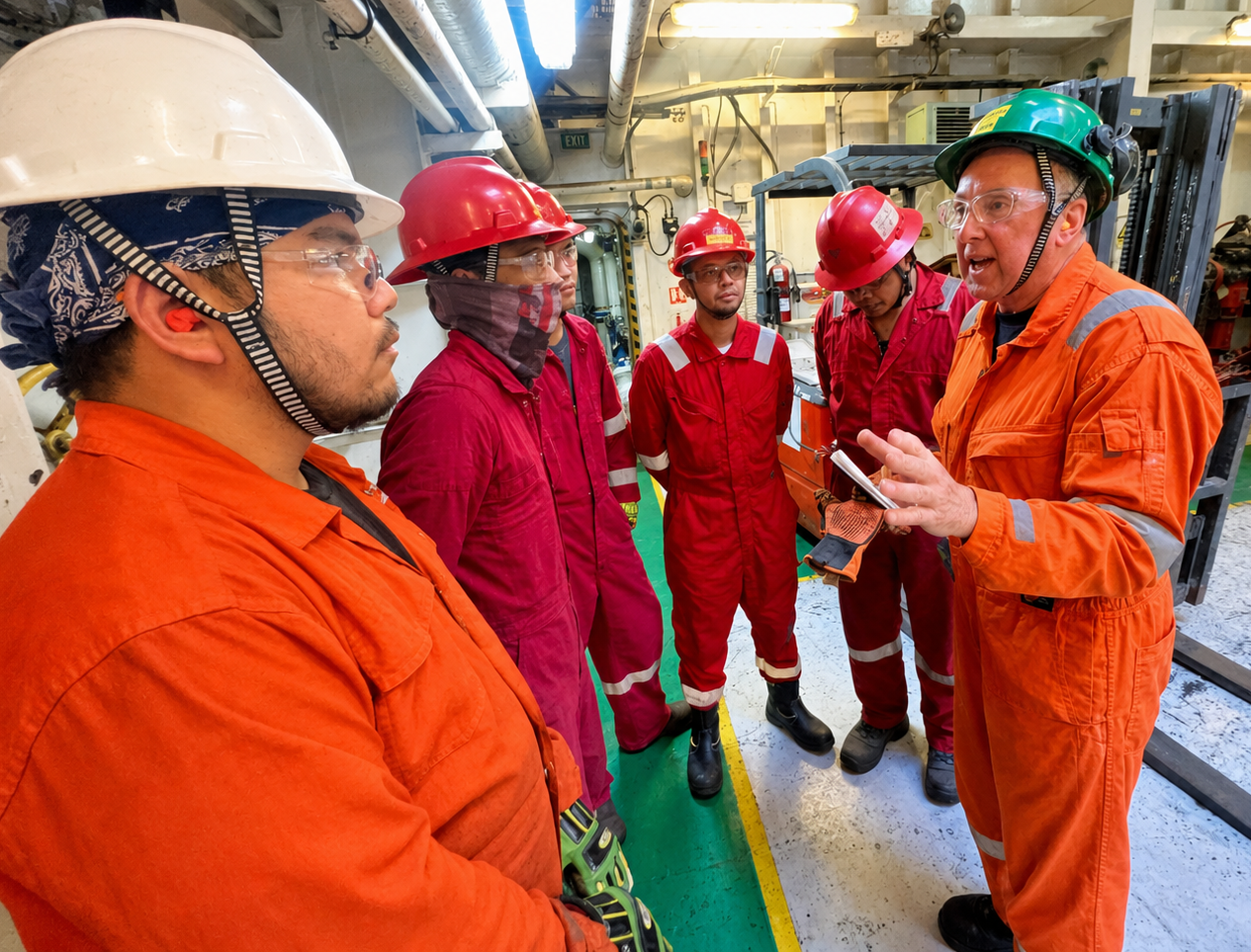
HIGH RELIABILITY ORGANIZATIONS
When Getting It Right Matters
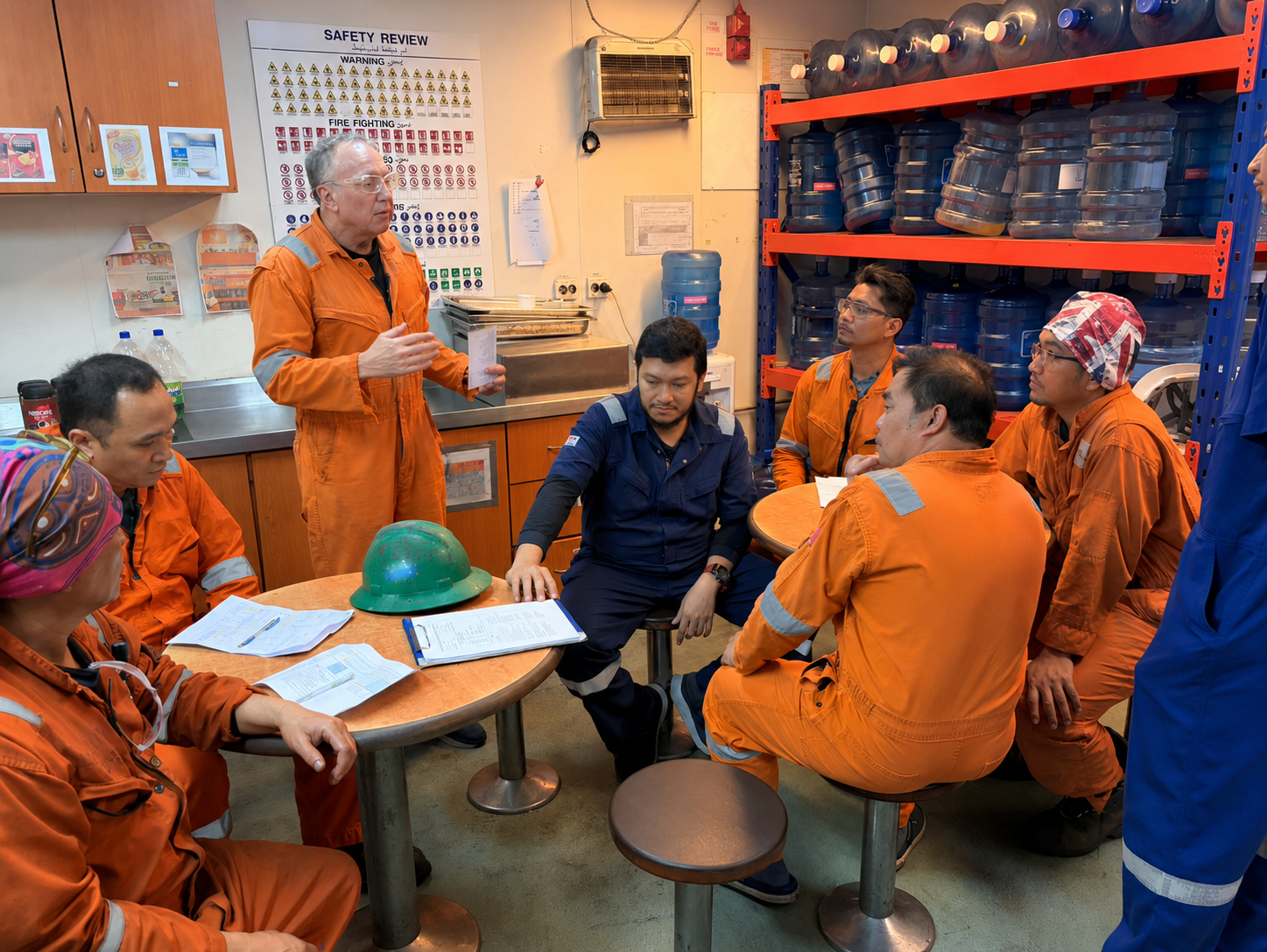
In every organization, results depend significantly on how reliably people and teams perform. In the High Reliability Organizations where I have worked, that reality was especially visible because the consequences of failure could be severe.
Most organizations do not operate under the same level of risk. But the underlying performance challenge is similar: people still need to communicate clearly, make sound decisions, coordinate effectively, adapt when circumstances change, and learn from what happens.
Reliable performance requires people and teams to apply what they know effectively under real operating conditions.
The same disciplines that support reliability in high-consequence environments can help other organizations improve consistency, efficiency, teamwork, decision-making, and continuous learning.
PLAN · BRIEF · EXECUTE · DEBRIEF
A Practical Cycle for Performance and Continuous Improvement
Plans are necessary. But once execution begins, assumptions meet reality.
Conditions change. Information emerges. People interpret situations differently. Problems appear. Teams adapt.
PBED provides a simple discipline for turning that reality into learning.
PLAN Establish the objective, anticipate challenges, clarify roles, and develop the approach.
BRIEF Create shared understanding. Confirm responsibilities, expectations, risks, contingencies, and how the team will work together.
EXECUTE Carry out the plan while maintaining situational awareness, communicating, adapting, and responding to changing conditions.
DEBRIEF Examine what actually happened. What worked? What did not? Why? What should we sustain or change next time?
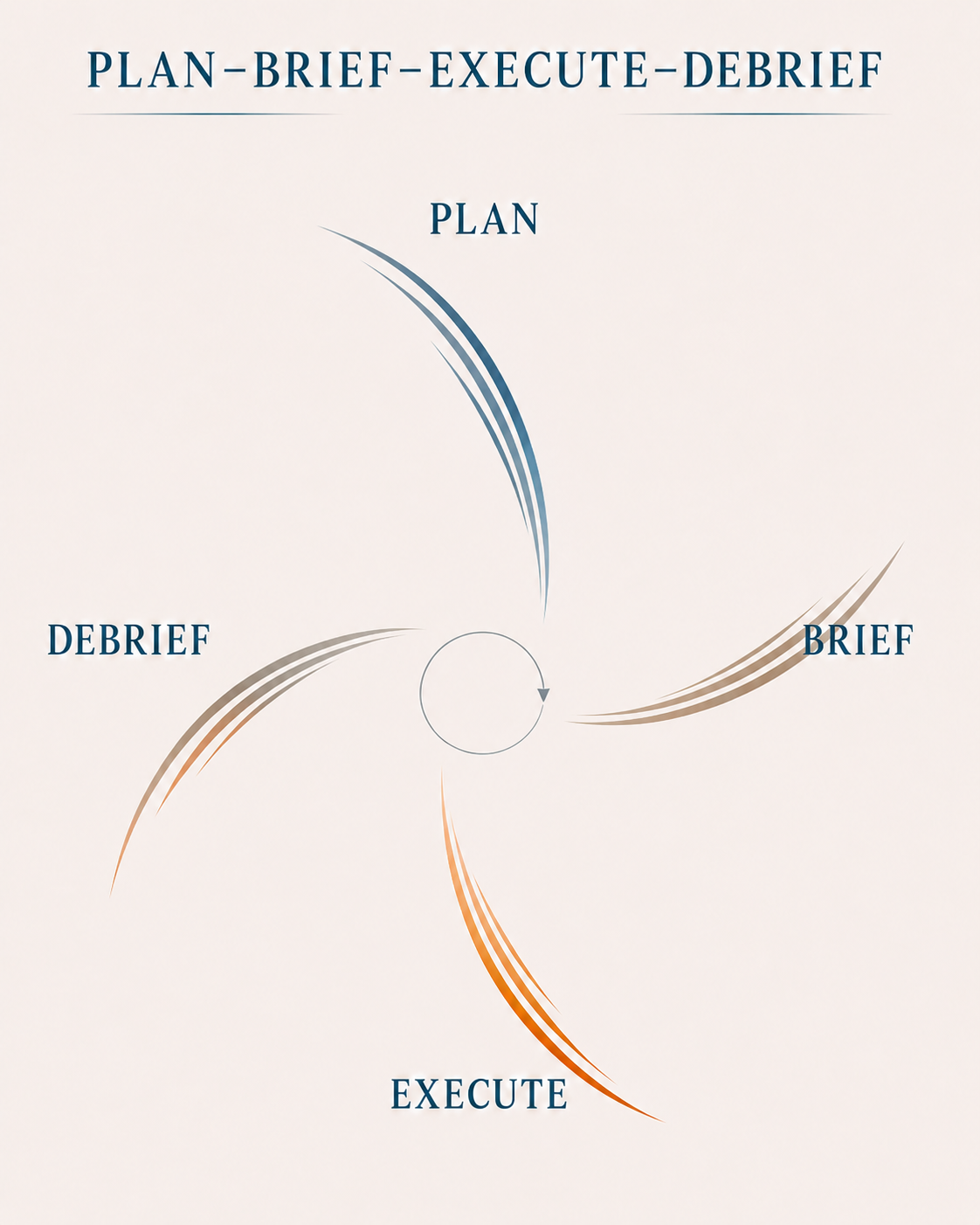
The plan prepares the work. The debrief improves the next performance.
FROM AVIATION TO HUMAN PERFORMANCE COACHING
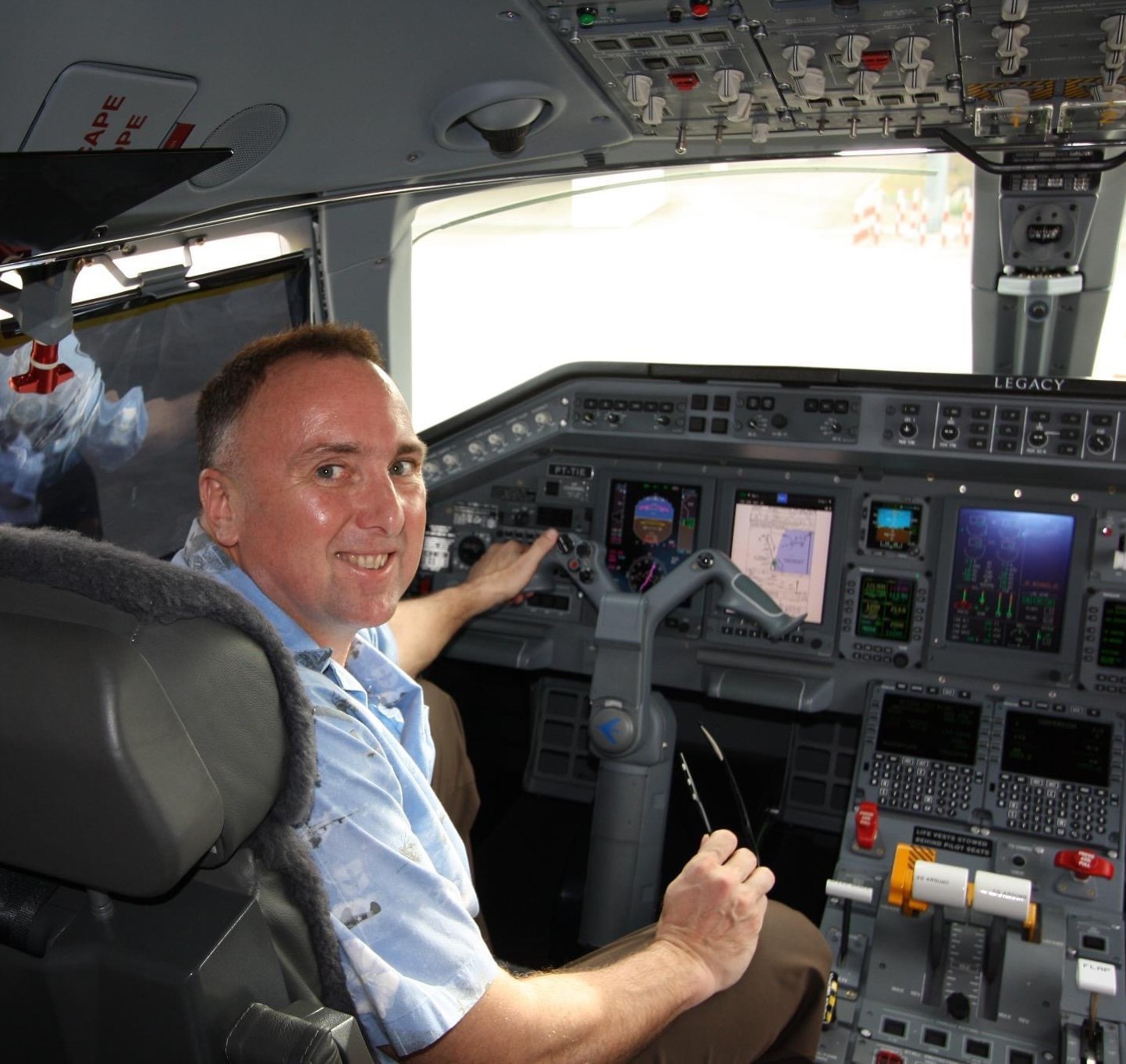
Experience Where Reliability Matters
My understanding of human performance developed first in aviation, where preparation, briefing, disciplined execution, communication, situational awareness, and debriefing are embedded in the way teams operate and learn.
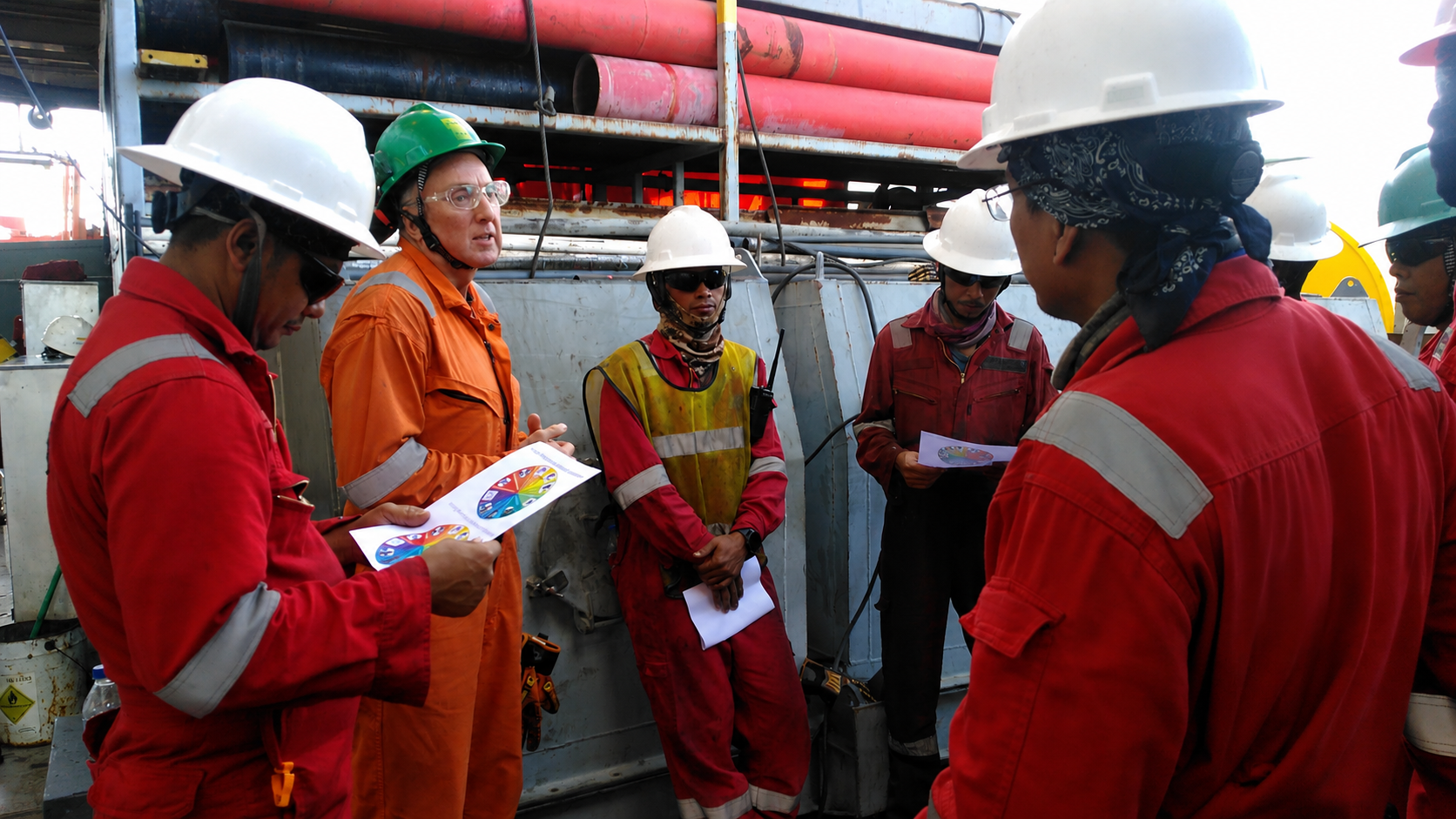
Those principles later became highly relevant in human-performance coaching with multinational offshore oil-and-gas crews working in High Reliability Organizations.
Different industries use different terminology, systems, and procedures, but many of the underlying human-performance challenges are remarkably consistent.
How do we help people reliably turn knowledge, experience, and good intentions into effective action?
WHAT WE CAN DEVELOP
Human Capabilities That Support Better Performance
Programs can address individual capabilities, team interaction, or the conditions that help reliable performance become more likely.
Leadership & Team Effectiveness
Leading self and others, role clarity, coordination, followership, accountability.
Decision-Making & Situational Awareness
Framing, assumptions, incomplete information, cognitive bias, alternatives, risk awareness, judgment.
Human Performance & Learning
Preparation, adaptation, error awareness, learning from outcomes, debriefing, continuous improvement.
Communication & Constructive Challenge
Clear communication, listening, questioning, speaking up, feedback, disagreement, difficult conversations.
Trust, Accountability & Team Climate
Trust, fairness, inclusion, psychological safety, peer influence, team climate, responsibility.
Coaching & Developing Others
Feedback, coaching conversations, reflection, capability building, and development planning.